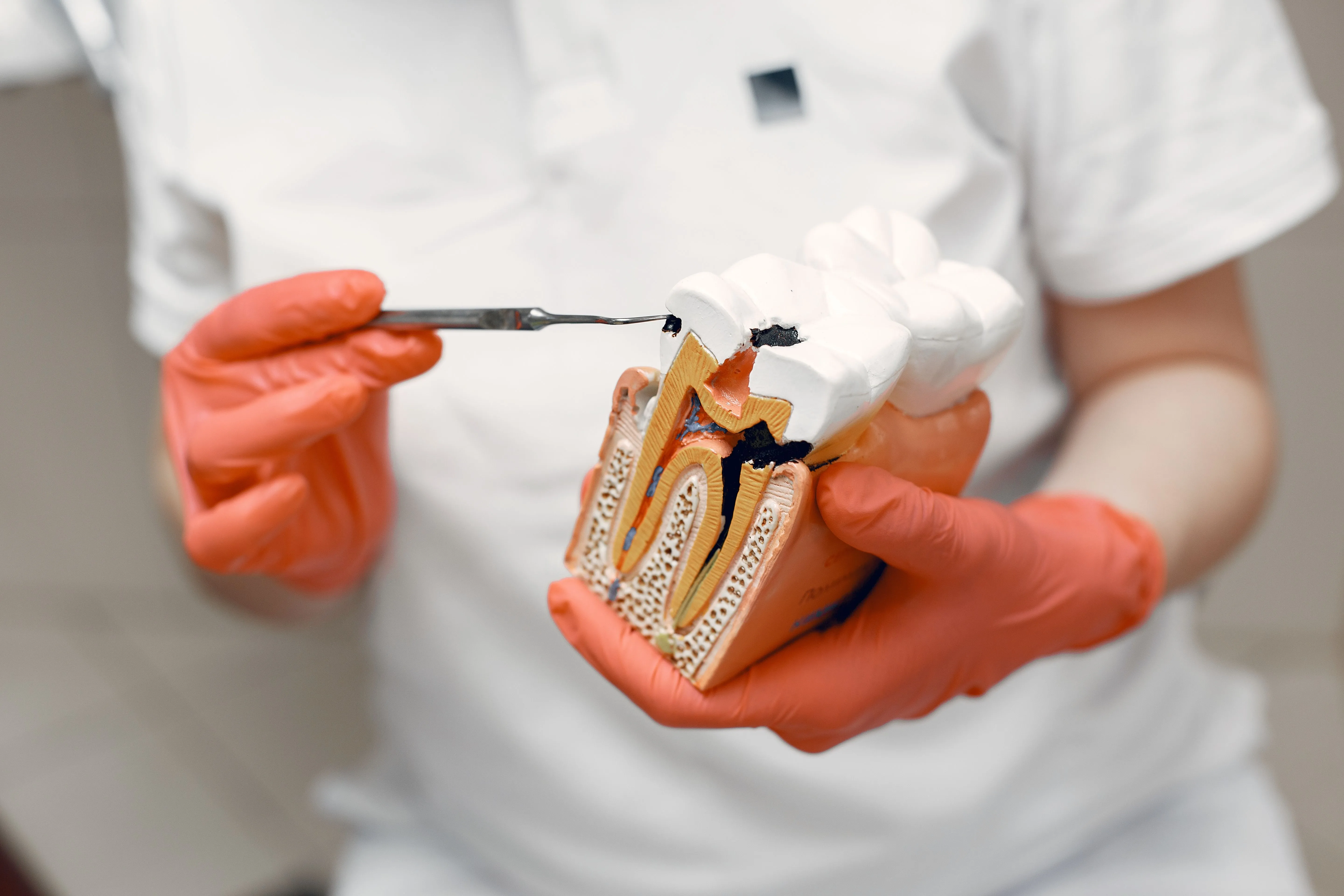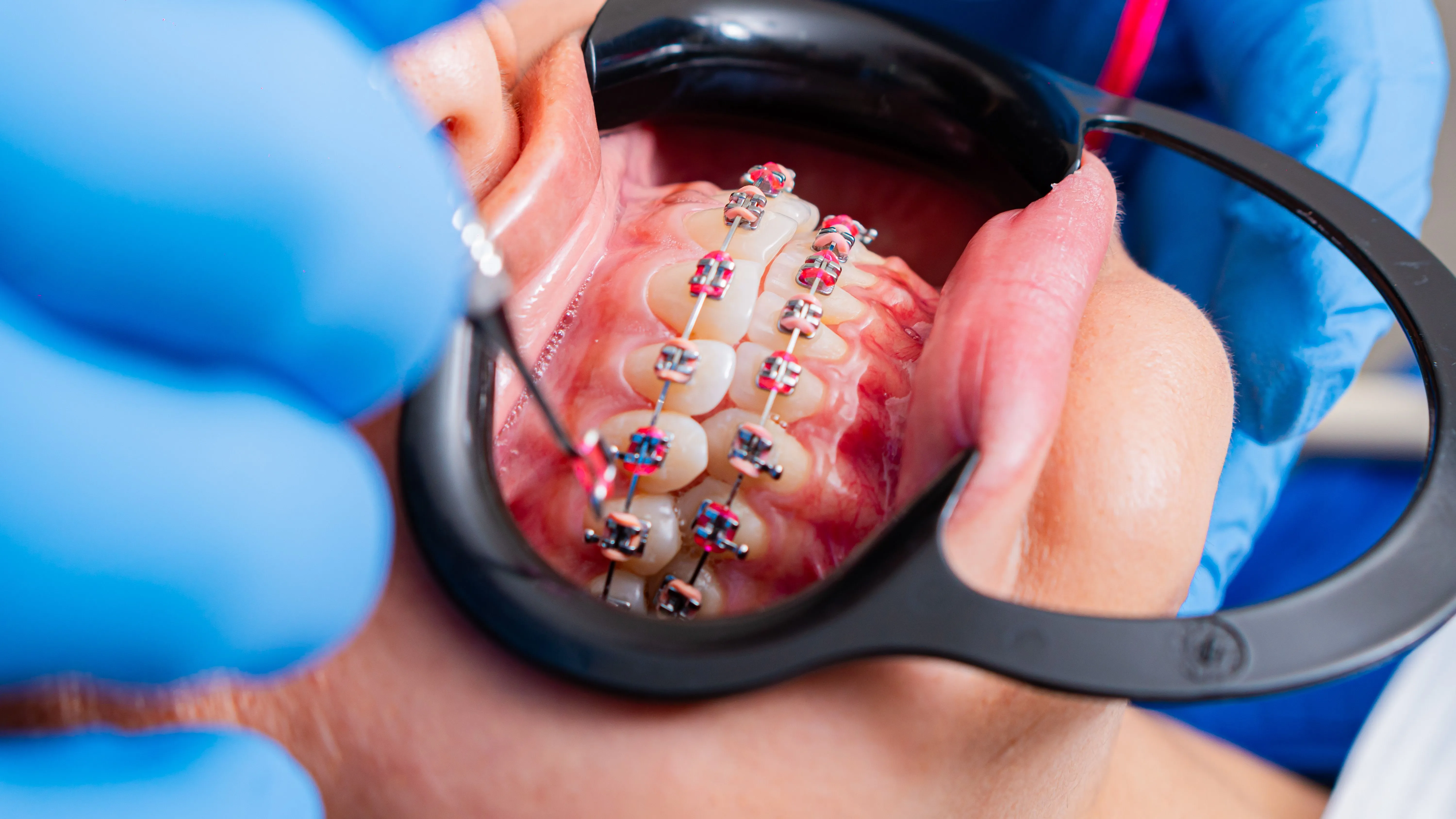
If the words "wisdom tooth removal" make you wince, you're not alone. It's one of the most searched — and most feared — dental procedures among patients in Lucknow. The good news: with modern techniques, local anesthesia, and the right dentist, wisdom tooth extraction today is a routine, largely painless procedure with a predictable recovery. Here's exactly what to expect, from your first consultation to full healing.
Why Wisdom Teeth Cause Problems
Wisdom teeth — the third molars at the very back of your mouth — usually emerge between the ages of 17 and 25. Most jaws simply don't have enough room for them, which leads to common issues such as:
- Impaction — the tooth is trapped under the gum or bone and can't erupt fully
- Crowding — pressure on neighbouring teeth, sometimes shifting your bite
- Infection or gum inflammation (pericoronitis) around a partially erupted tooth
- Decay or cavities that are hard to clean and treat due to the tooth's position
If you're experiencing jaw pain, swelling, or discomfort at the back of your mouth, an X-ray is the fastest way to find out whether your wisdom tooth needs to come out.
Is Wisdom Tooth Removal Really Painless?
During the procedure itself, yes. The area is fully numbed with local anesthesia before we begin, so you won't feel pain during the extraction — at most a sensation of pressure. Sedation options are also available for anxious patients or more complex impacted cases. The mild soreness some patients feel is entirely in the recovery window afterward, and it's well controlled with the medication we prescribe.
Dr. Priyank Prakash's tip: Most of the "horror stories" people hear about wisdom tooth removal come from delayed treatment, where the tooth is badly impacted or infected. Catching it early with a routine dental check-up almost always means a simpler, faster procedure.
What Happens Step by Step
1. Consultation & X-ray
We start with a clinical exam and a dental X-ray to see the exact position, angle, and root structure of the wisdom tooth. This determines whether it's a simple extraction or a surgical one.
2. Local Anesthesia
The area around the tooth is numbed completely. You'll be awake and comfortable, but won't feel pain during the procedure.
3. The Extraction
For a fully erupted tooth, removal typically takes just a few minutes. For an impacted tooth, a small, precise opening may be needed to remove it in sections — a routine procedure for an experienced oral surgeon.
4. Aftercare Instructions
You'll be given clear guidance on gauze use, medication, diet, and what to avoid for the first 48 hours, along with a follow-up plan if needed.
Recovery Timeline
- Day 1–2: Mild swelling and tenderness; stick to soft foods and cold compresses
- Day 3–5: Swelling reduces significantly; most patients return to normal routine
- Week 1–2: Gum tissue heals over; stitches (if any) are typically resorbable or removed at a quick follow-up
Following your aftercare instructions closely — especially avoiding smoking, straws, and vigorous rinsing in the first 24 hours — is the biggest factor in a smooth, pain-free recovery.
Do You Always Need to Remove a Wisdom Tooth?
Not necessarily. If your wisdom tooth is healthy, fully erupted, properly aligned, and easy to clean, it can sometimes be left in place and simply monitored at your regular check-ups. Removal is recommended when there's pain, infection, crowding, decay, or risk to neighbouring teeth.
Frequently Asked Questions
Does wisdom tooth removal really not hurt?
The extraction itself is done under local anesthesia, so you won't feel pain during the procedure. Mild soreness and swelling for a few days afterward is normal and managed with prescribed medication.
How long does recovery take after wisdom tooth extraction?
Most patients feel back to normal within 3 to 5 days, with complete gum healing over 1 to 2 weeks. Impacted or surgical extractions may take slightly longer.
How much does wisdom tooth removal cost in Lucknow?
Cost depends on whether the tooth is simple or impacted, and the technique used. Book a consultation at Brite Smile Dental Care, Charbagh, Lucknow for an accurate quote based on your X-ray.
Do all wisdom teeth need to be removed?
No. If a wisdom tooth is healthy, properly positioned, and not causing crowding or infection, it can often be left alone and simply monitored.