Every parent eventually asks the same question: "Is it time for my child to see an orthodontist?" The honest answer is that there are two different milestones people often confuse — the age for a first orthodontic check, and the age braces actually go on. Getting this timing right can mean simpler treatment, a shorter time in braces, and fewer complications later.
The First Orthodontic Check: Around Age 7
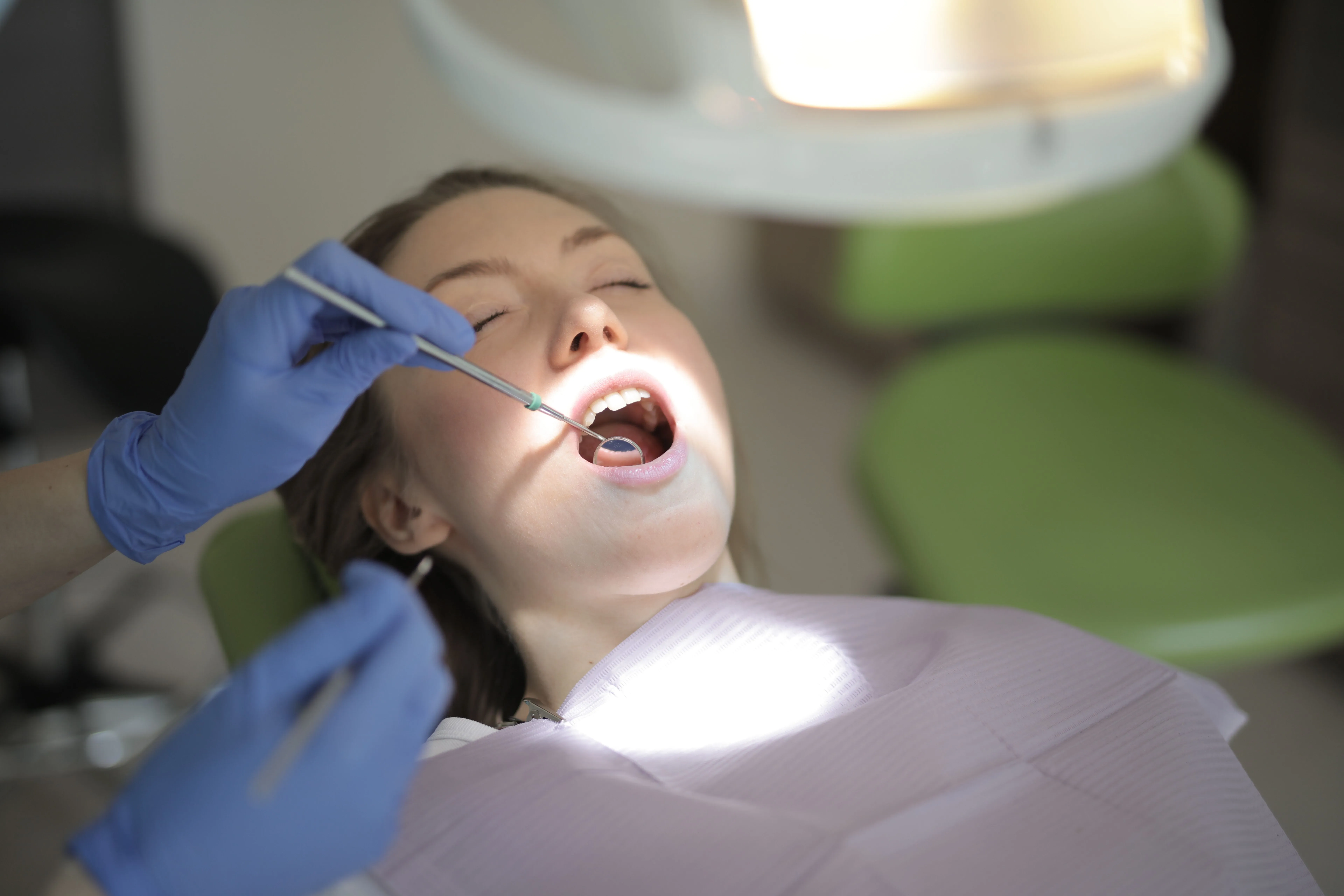
Most dental and orthodontic associations recommend a first orthodontic evaluation by around age 7 — even if it looks like there's nothing obviously wrong. At this age, a child usually has a mix of baby and permanent teeth, which makes it possible to spot problems with jaw growth, bite alignment, or crowding while there's still room to guide things in the right direction.
This early visit doesn't usually mean braces start immediately. In many cases, it simply means monitoring — with treatment (if needed) planned for the ideal age later.
The Age Braces Usually Go On: 10 to 14
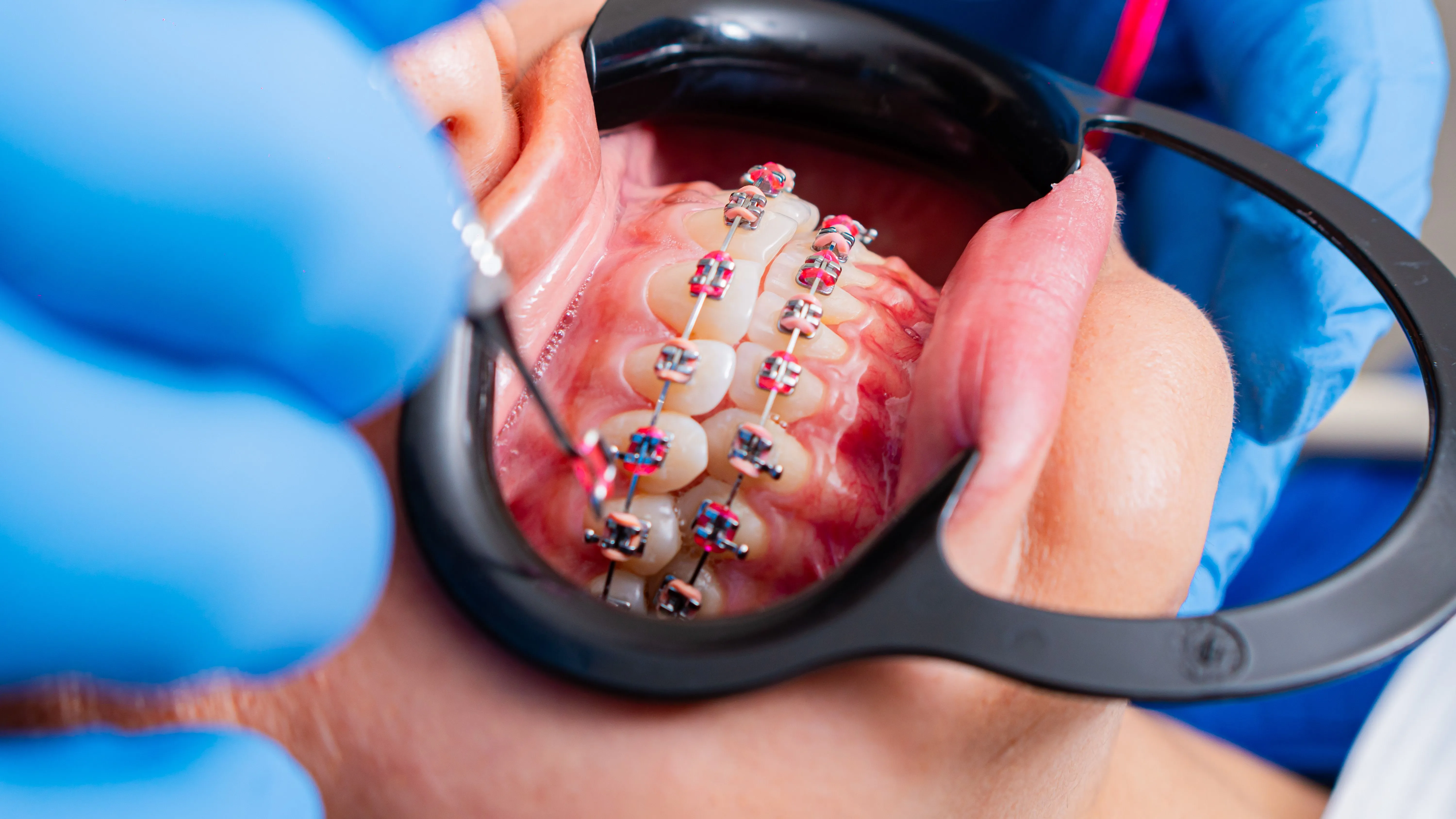
Full orthodontic treatment with braces most commonly begins between ages 10 and 14, once most or all baby teeth have been replaced by permanent ones. This window works well because:
- The jaw is still growing, so it responds better to gentle guided correction
- Most permanent teeth have erupted, giving a clearer picture of the final bite
- Correcting alignment now often prevents more complex treatment (or even jaw surgery) in adulthood
Dr. Priyank Prakash's tip: "Best age" isn't identical for every child — it depends on how their jaw and teeth are developing, not just their birthday. That's exactly why the early check-up around age 7 matters: it lets us time treatment to your child's actual growth, not a generic age.
Age Timeline at a Glance
~7
First Orthodontic Check-Up
Early evaluation to catch bite, jaw, or crowding issues while there's still room to guide growth.
10–14
Most Common Age for Braces
Most permanent teeth are in and the jaw is still growing — the ideal window for most children.
Adults
Braces or Clear Aligners at Any Age
There's no upper age limit — many teens and adults straighten their teeth successfully with braces or aligners.
Early Signs Your Child May Need Braces
You don't need to wait for a scheduled check-up if you notice any of these signs — it's worth booking an evaluation sooner:
- Crowded, overlapping, or widely spaced teeth
- Difficulty biting, chewing, or frequent tongue/cheek biting
- Mouth breathing or snoring
- Thumb-sucking or pacifier use continuing past age 5
- A jaw that clicks, shifts, or looks asymmetric
- Teeth that don't meet properly when the mouth is closed (overbite, underbite, crossbite)
What About Adults?
There's no cut-off age for braces. As long as gums and the jawbone are healthy, adults can — and regularly do — get braces or clear aligners to correct issues that were missed, untreated, or that have shifted over the years. Treatment timelines and approach may differ slightly from a child's, since the jaw is no longer growing, but outcomes are still very achievable.
Frequently Asked Questions
What is the ideal age for a first orthodontic check-up?
Most orthodontic associations recommend a first check-up around age 7, once the first adult molars and incisors have come in. This doesn't mean braces start then — it means problems can be spotted early.
What is the best age to actually get braces?
Most children begin full braces treatment between ages 10 and 14, once most baby teeth have been replaced by permanent teeth and the jaw is still growing, which makes correction more effective.
Can adults get braces too?
Yes. There's no upper age limit for braces or clear aligners, as long as the gums and jawbone are healthy. Many adults choose braces or aligners to correct issues missed in childhood.
What are early signs my child might need braces?
Common signs include crowded or overlapping teeth, difficulty biting or chewing, mouth breathing, thumb-sucking beyond age 5, a jaw that shifts or clicks, or teeth that don't meet properly when the mouth is closed.